Source anti aging beef tallow cream for face body skin care
Compare 30 listings of anti aging beef tallow cream from Guangdong suppliers. Buyers can review formulations with Vitamin E, Niacinamide, and Grass-fed Beef Tallow for moisturizing, whitening, and skin repair needs.
Key considerations
Products List


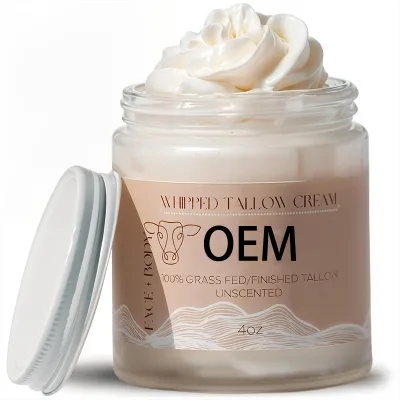
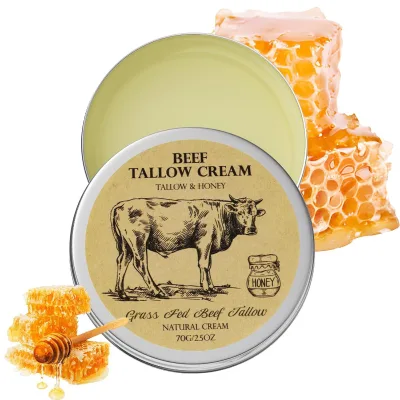
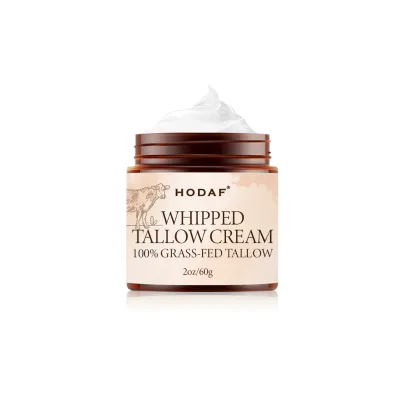
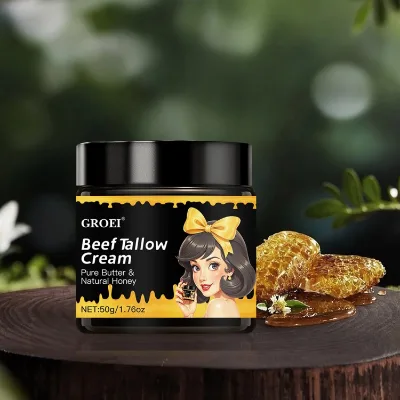


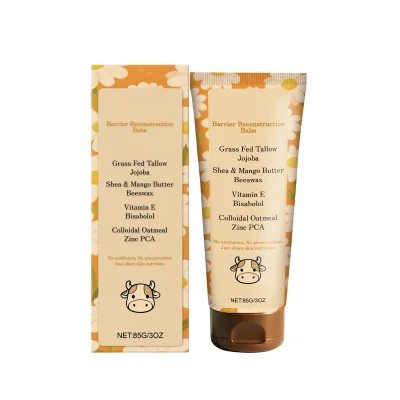
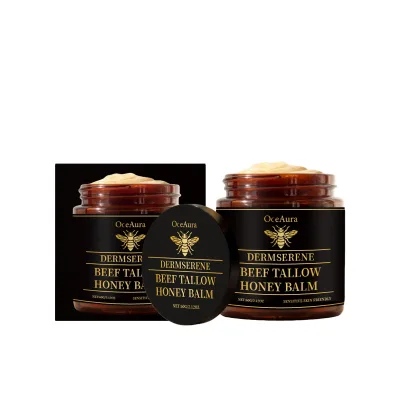
Comprehensive Sourcing Guide
Strategic Sourcing Guide for Anti-Aging Beef Tallow Cream Procurement
The global demand for natural, skin-revitalizing skincare has elevated beef tallow-based formulations from niche historical remedies to premium anti-aging solutions. For B2B buyers investigating the core keyword "anti-aging beef tallow cream," the procurement landscape is defined by a specific intersection of traditional ingredients and modern cosmetic science. This guide provides a disciplined framework for sourcing these products, focusing on technical specifications, regulatory compliance, cost structures, and supplier evaluation based on verified market data and industry standards.
Technical Specifications and Formulation Analysis
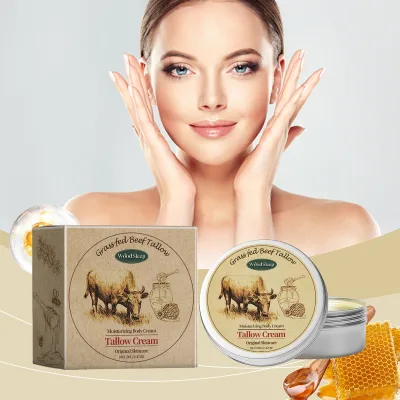
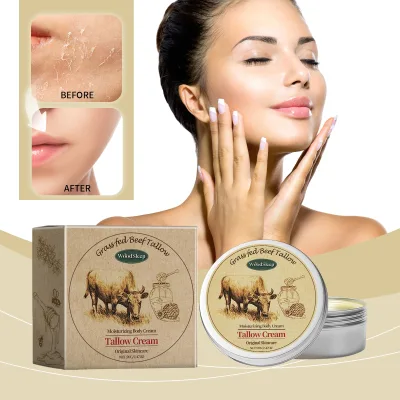
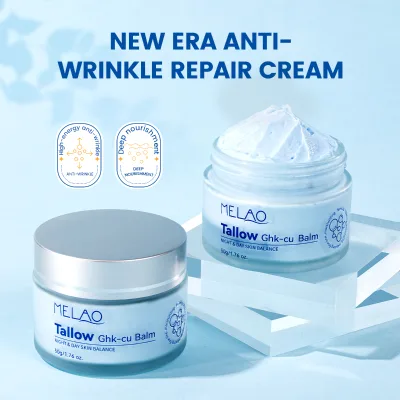
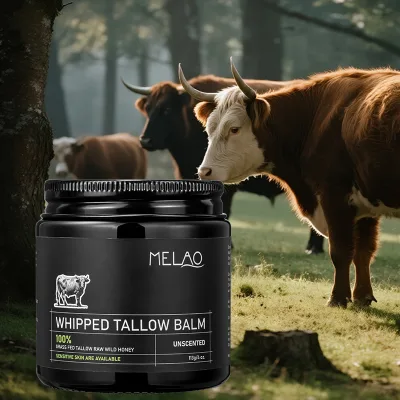
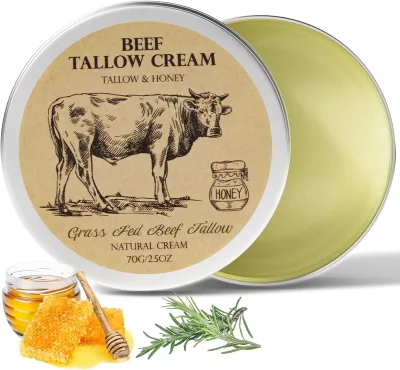
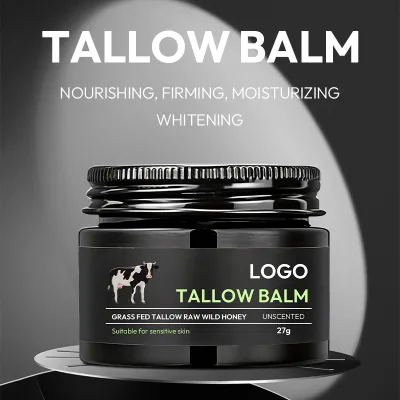
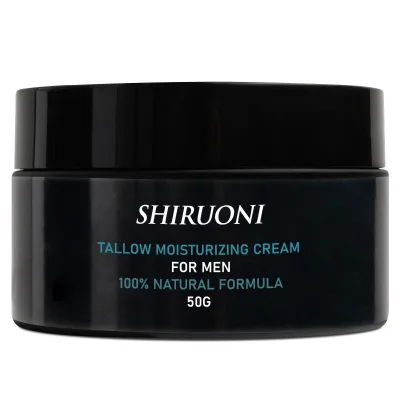
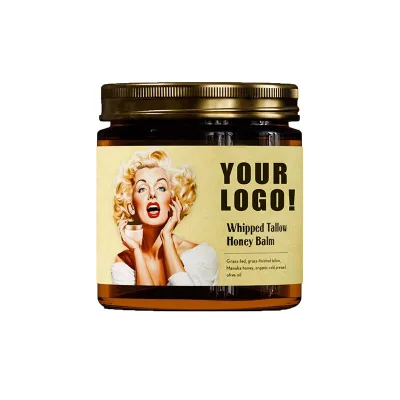
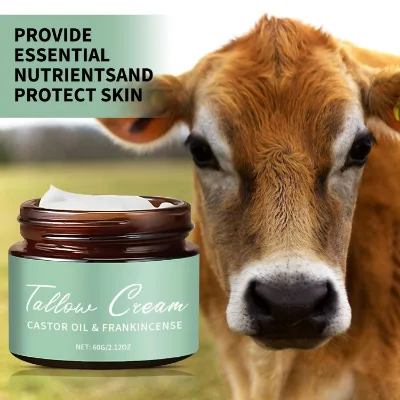
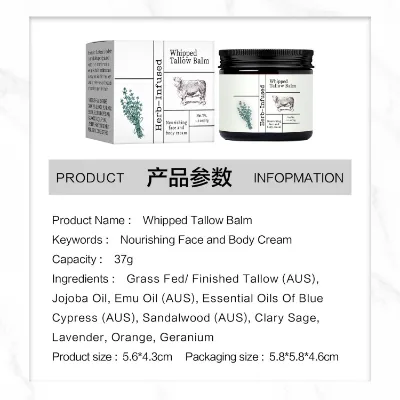
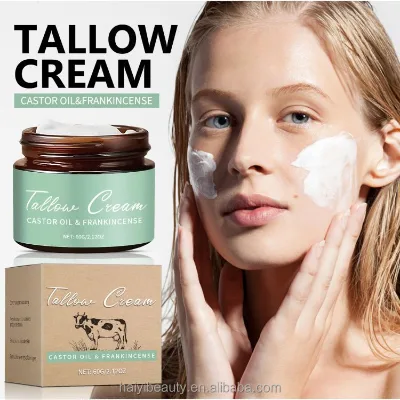
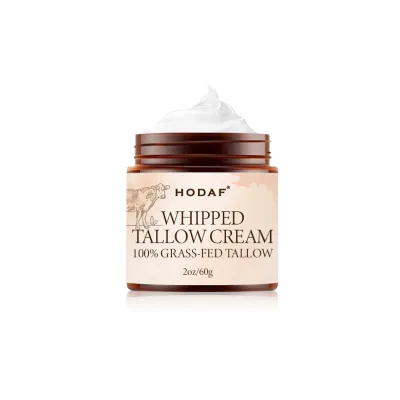
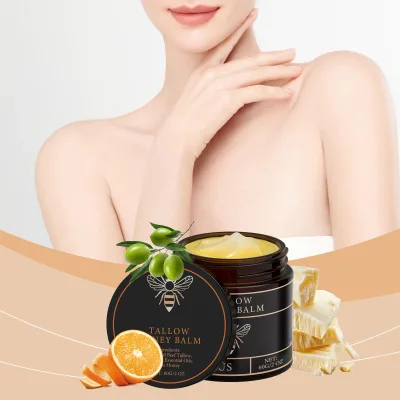
Understanding the technical architecture of beef tallow cream is the first step in defining procurement requirements. The primary differentiator in this category is the base ingredient, which is often described as "100% Grass-Fed Beef Tallow." This specific sourcing of tallow is critical because it retains a lipid profile similar to human sebum, enhancing absorption and barrier repair. In the observed market, the product form varies between "Cream" and "Balm," with specific listings noting "Whipped Tallow Balm" and "Blue Tallow Balm" as distinct variations.
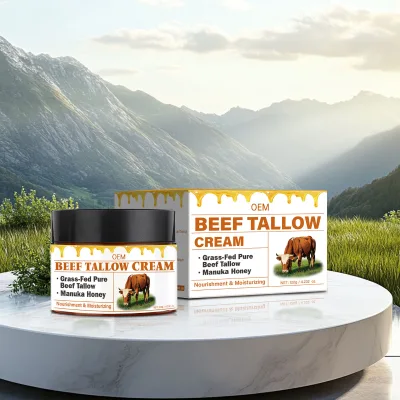
The formulation typically extends beyond the base tallow to include a synergistic blend of active ingredients designed to address aging concerns. Verified product attributes indicate a common inclusion of Vitamin E, Vitamin C, Niacinamide, Hyaluronic Acid, and Aloe Barbadensis Leaf Extract. These components serve specific functions: Vitamin C and Niacinamide are cited for whitening and pigmentation correction, while Hyaluronic Acid and Vitamin E provide deep moisturization and antioxidant protection. The presence of beeswax and honey is also frequent, acting as natural emollients and humectants.
Buyers must verify the exact concentration and source of these actives, as the efficacy of an anti-aging product relies heavily on the stability of Vitamin C and the purity of the tallow. The product is generally formulated for "All Skin Types" but is often marketed specifically toward female demographics. The physical properties, such as a single gross weight of approximately 0.130 kg and a net weight of 70g for standard units, suggest a dense, rich consistency suitable for intensive repair. Packaging dimensions, such as 8.7 x 2.7 x 8.7 cm, indicate a compact, portable design often housed in boxes.
Regulatory Compliance and Certification Verification
In the B2B cosmetics sector, regulatory compliance is not merely a formality but a prerequisite for market entry. The beef tallow category, being animal-derived, requires rigorous scrutiny regarding sourcing and processing standards. Verified data points to a high prevalence of specific certifications that buyers should demand during the supplier evaluation phase. These include GMPC (Good Manufacturing Practice for Cosmetics), CPNP (Cosmetic Products Notification Portal) for European markets, and ISO9001 and ISO22716 for quality management and cosmetic GMP respectively.
Furthermore, the Halal certification is a significant differentiator in this product category, ensuring the tallow is sourced and processed according to Islamic dietary laws, which expands the potential market reach. The presence of MSDS (Material Safety Data Sheet) and COA (Certificate of Analysis) is essential for verifying the chemical composition and safety of the batch. While some listings mention "Cruelty-Free" and "Vegan" attributes, buyers must exercise caution here. Since the core ingredient is beef tallow, a product cannot be strictly vegan unless the tallow is replaced or the claim refers to the absence of animal testing rather than the ingredients themselves. This apparent contradiction in some product listings necessitates a direct inquiry to the supplier to clarify the specific definition of "Vegan" in their context, or to identify if the product line includes a plant-based alternative.
Buyers should also verify the "Place of Origin," with Guangdong, China, emerging as a primary manufacturing hub for these products. This location influences the supply chain logistics and the specific regulatory frameworks (such as China's NMPA or international FDA equivalents) that the manufacturer adheres to.
Cost Drivers and Pricing Dynamics
The pricing structure for anti-aging beef tallow cream is influenced by several variable factors, including the purity of the tallow, the complexity of the formulation, and the level of customization required. The observed market price range for these products spans from $0.60 to $18.00 USD. This wide disparity is not indicative of quality variance alone but reflects differences in packaging, volume, and service levels.
The Minimum Order Quantity (MOQ) is a critical cost driver, ranging from 1 unit for sampling to 3,000 units for bulk production. Lower MOQs typically incur a higher unit cost due to the fixed costs of setup and small-batch processing. Conversely, orders approaching the 3,000-unit threshold often unlock economies of scale. The "Available Quantity" in the market suggests a robust supply chain, with some suppliers listing capacities up to 100,000 units, indicating that large-scale procurement is feasible without significant lead time delays.
Additional cost factors include the "Service" model, which ranges from OEM (Original Equipment Manufacturer) to ODM (Original Design Manufacturer) and OBM (Original Brand Manufacturing). OEM services allow buyers to use the supplier's existing formulas and packaging, keeping costs lower. ODM services involve customizing the formula and branding, which increases the unit price due to R&D and tooling costs. The inclusion of a "Customized Logo" is a standard feature but may carry a setup fee depending on the complexity of the artwork and the printing method used on the box or container.
Typical Applications and Market Positioning
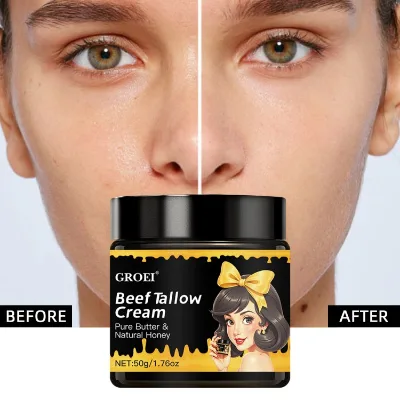
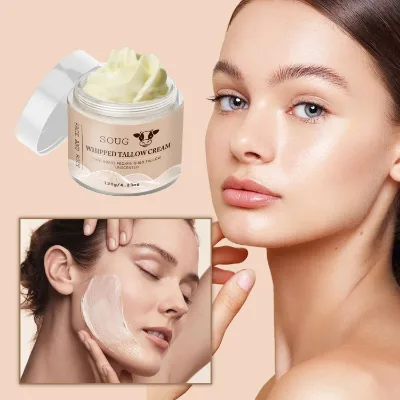
The application of anti-aging beef tallow cream is versatile, targeting both facial and body care. The product attributes explicitly list "Face Body Care" and "Skin Directly" usage, indicating a multi-purpose formulation. The primary functions observed include "Skin Whitening," "Skin Lightening," "Anti-Aging," "Anti-Wrinkle," and "Skin Revitalizer." These claims position the product as a comprehensive solution for skin rejuvenation, addressing issues such as fine lines, dullness, and texture irregularities.
The "Time Used" attribute specifies "Day," suggesting that the formulation is designed to be non-greasy enough for daytime wear, potentially serving as a moisturizer under makeup. However, the rich nature of tallow also makes it suitable for intensive overnight repair. The "Effect" is described as "Smooth Skin Face Body Skin Care," highlighting its ability to improve skin texture and elasticity.
The target demographic is primarily adults, with a specific focus on female consumers. The "Gender" attribute confirms this focus, though the "All Skin Types" claim suggests broad applicability. The product is often marketed as a "Natural Beef Tallow Balm" or "Whipped Tallow Balm," appealing to consumers seeking clean, organic, and herbal alternatives to synthetic creams. The inclusion of "Organic" and "Herbal" ingredients in the formulation further aligns the product with the growing trend of clean beauty.
Supplier Evaluation and Service Models
Selecting the right supplier requires a nuanced understanding of the service models available. The market offers "OEM," "ODM," and "Private Label" services, each catering to different procurement strategies. OEM suppliers provide a turnkey solution where the buyer selects from existing formulas and packaging. ODM suppliers offer more flexibility, allowing for custom formulation adjustments to meet specific anti-aging claims or ingredient preferences.
When evaluating suppliers, buyers should prioritize those who demonstrate transparency in their "Main Ingredient" sourcing. The distinction between generic tallow and "Grass-Fed Beef Tallow" is significant for marketing and efficacy. Suppliers claiming "100% Grass Fed" status should be able to provide documentation or traceability for their raw materials. Additionally, the "Brand Name" attribute shows a mix of generic "OEM" branding and specific brand names like "MELAO," indicating that suppliers may offer both white-label and branded options.
The "Logo" customization capability is a standard requirement for private label buyers. Suppliers should confirm their ability to handle various printing techniques and provide samples of previous work. The "Single Package Size" and "Packing" details (e.g., Box) should be verified to ensure they meet the buyer's logistical and retail requirements.
Quality Control and Long-Term Procurement Considerations
Ensuring consistent quality is paramount in the cosmetics industry. Buyers must establish a robust quality control protocol that includes pre-shipment inspections and batch testing. The "Certificate of Analysis" (COA) should be reviewed for every batch to verify the concentration of active ingredients and the absence of contaminants. The "Net Weight" of 70g and "Single Gross Weight" of 0.130 kg should be strictly monitored to prevent underfilling or overfilling, which can lead to customer dissatisfaction and regulatory issues.
Long-term procurement considerations involve building a sustainable supply chain. The "Available Quantity" of 10,000 to 100,000 units suggests that suppliers can handle fluctuating demand, but buyers should confirm lead times for restocking. The "Place of Origin" being Guangdong, China, implies that buyers need to account for shipping times and potential tariffs. Establishing a relationship with a supplier who offers "OEM ODM Private Label" services ensures flexibility for future product line expansions.
Buyers should also consider the "Feature" list, which includes "Exfoliator," "Pore Shrinking," and "Anti-Allergy." While these are observed attributes, they require validation through clinical testing or consumer trials before being used in marketing materials. The "Main Efficacy" of "Whitening and moisturizing" should be supported by data if the target market has strict advertising regulations.
Comparative Analysis of Product Attributes
To assist in decision-making, the following table summarizes key attributes observed in the market for anti-aging beef tallow cream. This comparison highlights the variability in formulations and services available to buyers.
| Attribute Category | Observation 1 | Observation 2 | Observation 3 |
|---|---|---|---|
| Product Name | Natural Beef Tallow Balm | Whipped Tallow Balm | Blue Tallow Balm |
| Form | Cream | Balm | BALM |
| Main Ingredient | Vitamin E, Tallow, Honey, Beeswax | 100% Grass Fed Beef Tallow | Other, Hyaluronic Acid, Niacinamide |
| Key Functions | Skin Whitening, Anti-Aging | Moisturizing, Repairing | Skin Revitalizer, Firming |
| Certifications | Halal, GMPC, CPNP, ISO9001 | ISO22716, MSDS, COA | Organic, Cruelty-Free |
| Service Type | OEM, ODM, Private Label | OEM, OBM | Private Label |
| Packaging | Box | Box | Box |
| Net Weight | 70g | 100ml/Customize | 70g |
| Place of Origin | Guangdong | Guangdong, China | Guangdong |
This table illustrates that while the core ingredient (beef tallow) remains constant, the supporting actives and specific product forms vary significantly. Buyers must align their procurement strategy with the specific formulation that best meets their target market's needs. Whether the priority is "Grass-Fed" purity, "Vitamin C" brightening, or "Hyaluronic Acid" hydration, the supplier selection must be driven by these technical differentiators.
Conclusion
Sourcing anti-aging beef tallow cream requires a balanced approach that combines technical due diligence with strategic supplier evaluation. The market offers a diverse range of products, from simple tallow balms to complex formulations enriched with vitamins and botanicals. By focusing on verified certifications like GMPC, ISO, and Halal, and by carefully analyzing the ingredient profiles and service models, buyers can secure high-quality products that meet both regulatory standards and consumer expectations. The wide price range and MOQ flexibility allow for entry at various scales, but the emphasis must always remain on quality assurance and supply chain reliability to ensure long-term success in the competitive skincare market.
FAQs
What certifications do anti aging beef tallow cream suppliers provide?
Suppliers typically provide GMPC, CPNP, ISO9001, and ISO22716 certifications. Many also offer Halal certification and MSDS documents to verify safety and quality standards for international markets.
How can I customize the logo on the product packaging?
Customized logos are accepted for most private label orders. Suppliers allow branding on boxes and containers, though setup fees may apply depending on the complexity of the artwork and printing method used.
What is the minimum order quantity for bulk purchases?
The minimum order quantity ranges from one unit for sampling up to three thousand units for bulk production. Lower quantities usually incur higher unit costs due to setup expenses.
Where are the main manufacturing facilities located for this product?
The primary place of origin for these products is Guangdong, China. This location serves as a major hub for manufacturing and exporting natural skincare formulations to global buyers.
Can I find anti aging beef tallow cream with specific active ingredients?
Yes, formulations often include Vitamin E, Vitamin C, Niacinamide, and Hyaluronic Acid. Buyers should verify exact concentrations as some listings also contain Aloe Barbadensis Leaf Extract and organic components.
What is the typical price range for wholesale orders?
The observed price range spans from 0.60 to 18.00 USD per unit. Pricing varies based on packaging, volume, and the level of customization required for the specific order.
Is the product suitable for all skin types and daily use?
The cream is formulated for all skin types and is designed for day use. It functions as a moisturizer and skin revitalizer suitable for both face and body care applications.